
Sustainable water use in the Koue Bokkeveld
Supporting sustainable water use in the Koue Bokkeveld
About
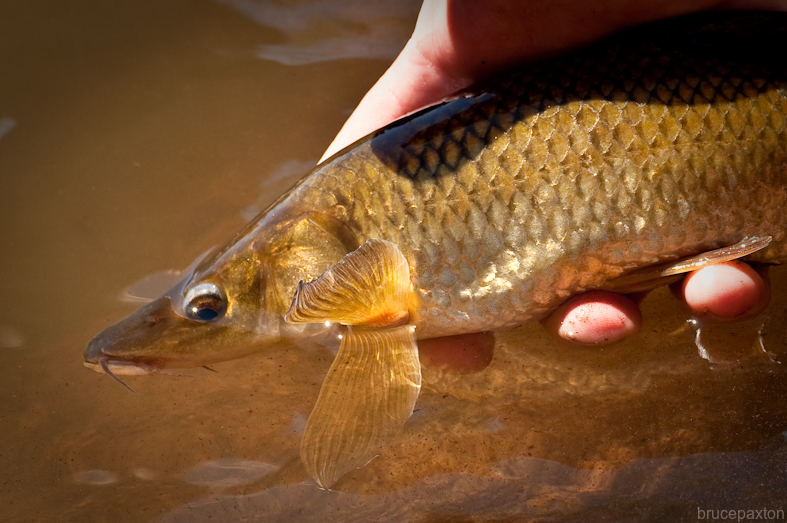
The Olifants and Doring River has the highest proportion of endemic fish species in the country, with eight of the ten species that occur in the mainstem and tributaries of these rivers being endemic. The Koue Bokkeveld region is vital for the integrity of the mainstem of the Doring River – contributing as much as 40% of the flows at the Olifants-Doring Rivers confluence and 26 % of the annual flows at the estuary. Water is central to the agricultural economy of this region. It has one of the highest water yields and is one of the most intensively farmed regions of the Olifants-Doring catchment, having the third highest registered surface water use (20.9%). Irrigation of primarily deciduous fruits for export and vegetables constitutes 98 % of the water use in the area. There is an increasing demand in the area for agricultural expansion. In light of this, it is critical to incorporate the principles of sustainable water management, to ensure that water is allocated sustainably and that downstream users and ecosystems are not unnecessarily compromised.
The main aims of the project are:
- To collate and synthesise existing data sources and information relating to impacts of climate change on freshwater ecosystems and their associated biodiversity, including deliberations and discussions of present and future scenarios with stakeholders;
- To proactively assist in developing sustainable water management practices by mobilising and capacitating stakeholders to identify climate change adaptation and resilience strategies through providing practical mechanisms;
- To develop and institutionalise information water management systems, including models for monitoring and feedback, which enhance efficiency, capacity and resilience of the interrelated ecosystems.
Status
Current
Outputs
Watch this space
Collaborators
Funders
Project Leader
Bruce Paxton